
THE CENTER FOR DISCOVERY’S ANNUAL RESEARCH MEETING HIGHLIGHTS PARTNERSHIPS AND ADVANCES IN AUTISM RESEARCH
SHARE


Dr. Kara Margolis speaks at the Annual Research Meeting in Rock Hill, NY.
The Center for Discovery (TCFD, The Center) brought together its leadership, staff, research partners, and collegiate interns at the Alemany Learning Center on its Rock Hill campus for its Annual Research Meeting, where participants shared updates on ongoing studies focused on complex conditions and disabilities, including autism.
Experts in gastroenterology, nutrition, biomedical engineering, and psychology presented findings on emerging areas of study, including the gut microbiome and its association with clinical and behavioral outcomes, noninvasive technologies harnessing AI and machine learning to help study Autism Spectrum Disorder (ASD) and improve paradigms of care, and nature-based strategies for energy regulation. Together, these interdisciplinary efforts are expanding our understanding of autism and have the potential to transform how individuals on the spectrum are supported throughout their lives.
Dr. Kara Margolis, Professor of Molecular Pathobiology, Cell Biology, and Pediatrics at NYU, began the meeting by presenting new research identifying biomarkers that further support one of The Center’s core principles: a whole-foods-based diet can have a significant, positive impact on autism-associated behaviors and overall health. For more than two decades, The Center has prioritized nutrition as a cornerstone of its model of care and a key pillar of its SynergE6 Healthspan Model.
The meeting also featured nutrition-related research from TCFD and Cornell University. Jennifer Franck, TCFD’s Chief of DNA – Nutrition, Health, and Research, presented findings showing that a whole-food, pea protein-based formula improved gastrointestinal and metabolic health, including significant reductions in hemoglobin A1C, and a stabilization of GI symptoms indicated by a downward trend in the Bristol Stool scale in tube-fed adults with complex medical needs. Dr. Paige Cunningham, Assistant Professor at Cornell University, shared research exploring how portion size, eating rate, and meal variety influence eating behaviors, an area that has been largely understudied in individuals with autism.
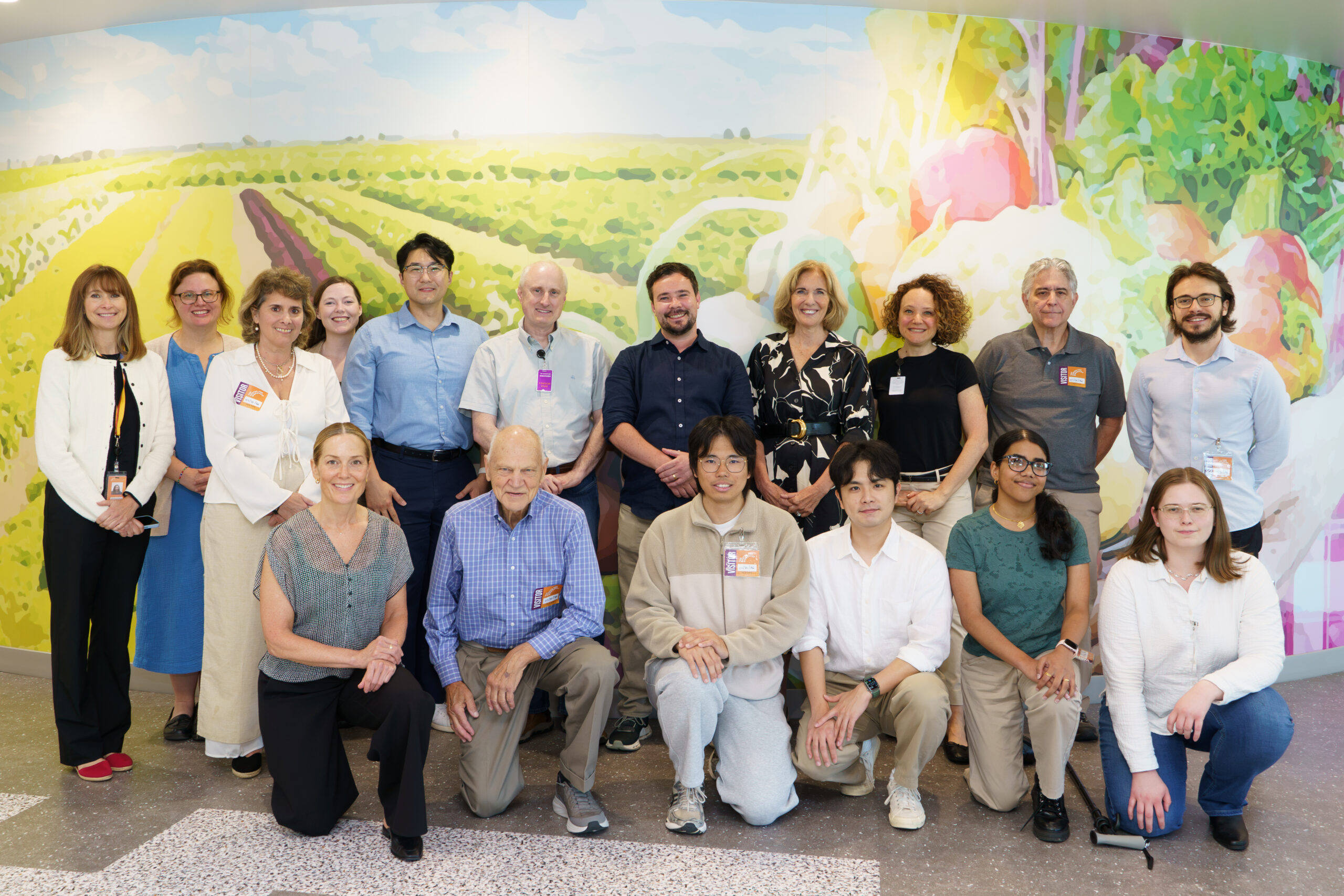
TCFD Staff and Research Partners (front row, from left) Jennifer Franck, Dr. Rune Simeonsson, Hongbin (Henry) Liu, Jangwon Lim, Soma Patra, Emma Dando. (Top row, from left) Dr. Johanna Lantz, Helena Le Roux Ohm, Dr. Elizabeth Torres, Dr. Paige Cunningham, Dr. Hyeokhyen Kwon, Dr. Juergen Hahn, Conor Anderson, Dr. Terry Hamlin, Dr. Kara Margolis, Dr. Eric London, Halil Arici.
The meeting also focused on emerging technologies, including artificial intelligence (AI) and machine learning, that are helping researchers study autism through noninvasive methods, and try to characterize and predict high risk behaviors and medical events such as seizures. Dr. Elizabeth Torres of Rutgers University discussed how biometric tools that detect micro-movements, combined with routine auditory screenings, could help advance early autism detection, and highlighted a tool that can measure pain by analyzing biorhythm and biosignal data, such as facial movements and cardiac rhythms. Dr. Juergen Hahn of Rensselaer Polytechnic Institute and Dr. Hyeokhyen Kwon of Emory University presented complementary approaches for classifying behavioral episodes and predicting them before they occur. Their research explores how AI can analyze medical history, environmental, and real-time biometric information from wearable devices, and video-based activity recognition to identify behavioral patterns and strengthen predictive models for individuals with autism.
In addition to these presentations, Dr. Johanna Lantz, TCFD’s Chief of Psychology and Research, provided an overview of other current and ongoing studies at The Center, including a collaboration with Cornell University examining how time spent outdoors can benefit classroom behaviors. She also highlighted the tremendous growth of TCFD’s research initiatives, partnerships, and publications.
The meeting also celebrated the contributions of Dr. Rune Simeonsson, a world-renowned researcher and longtime partner of TCFD, recognizing 30 years of collaboration dedicated to advancing understanding and support for individuals with complex disabilities.
As TCFD’s research continues to evolve through new discoveries and collaborations, Dr. Terry Hamlin reminded attendees that its greatest impact is rooted in the lives of the individuals it serves. “Research doesn’t just happen in laboratories; it also happens in classrooms, in nature, on the farm, and in clinical settings. It happens wherever there is compassionate care. What happens here truly matters everywhere.”
To learn more about The Center’s Research Institute for Brain and Body Health, please contact the Office of Strategic Outreach and Partnerships at StrategicOutreach@tcfd.org.